
Wear Your Body
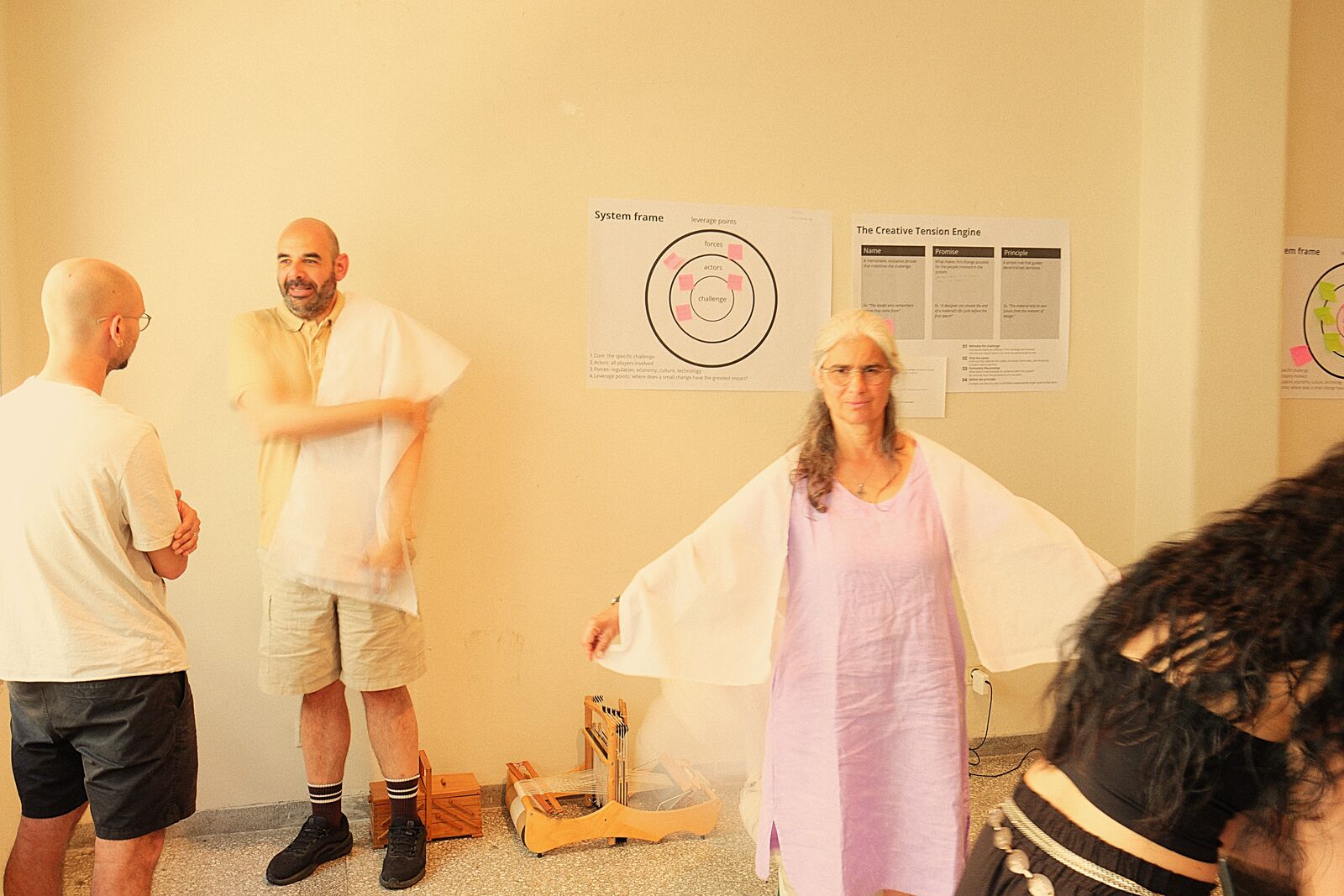
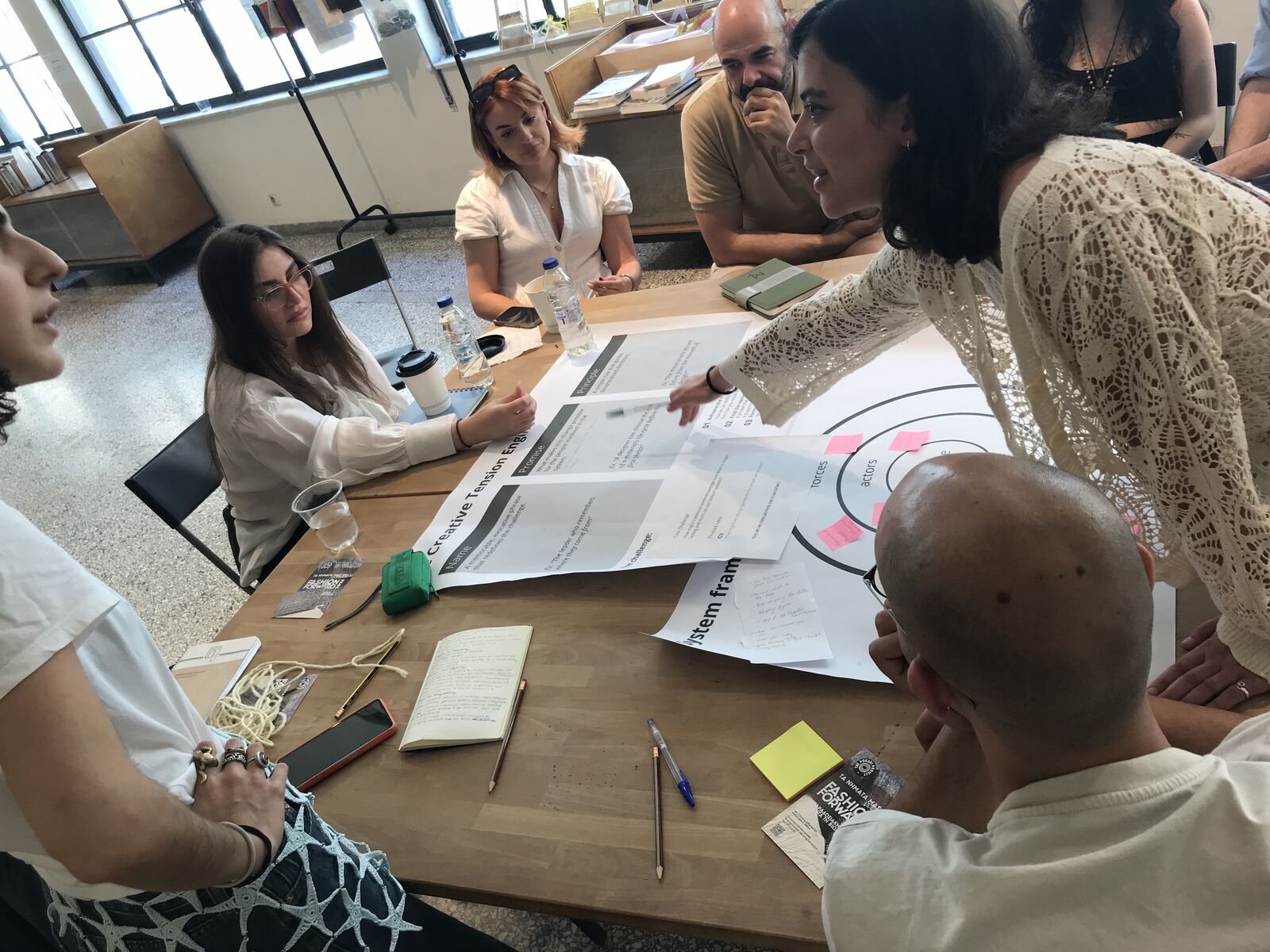
Team project from the Imagineering workshop in Athens (3 June 2026), developed with the IMASUS method.
The problem
Fast fashion encourages frequent wardrobe changes driven by trends and life-stage transitions, which leads to a lot of textile waste and short garment lifespans. Women in particular go through significant body changes over time, because of weight fluctuation, ageing or maternity, yet most clothing is designed for a fixed size and style, which forces premature disposal. How can garments be designed to adapt to a woman's changing body and style preferences across life stages, including maternity, while reducing waste?
The project follows the workshop's core challenge, how traditional textile knowledge can contribute to longer-lasting and more circular fashion systems, and explores how heritage craft principles such as repair, reuse, local production and mindful consumption can inform adaptable design. A secondary focus responds to challenge C3, how to recover value from post-industrial textile waste, by integrating offcuts and factory scraps into a capsule collection.
Your process
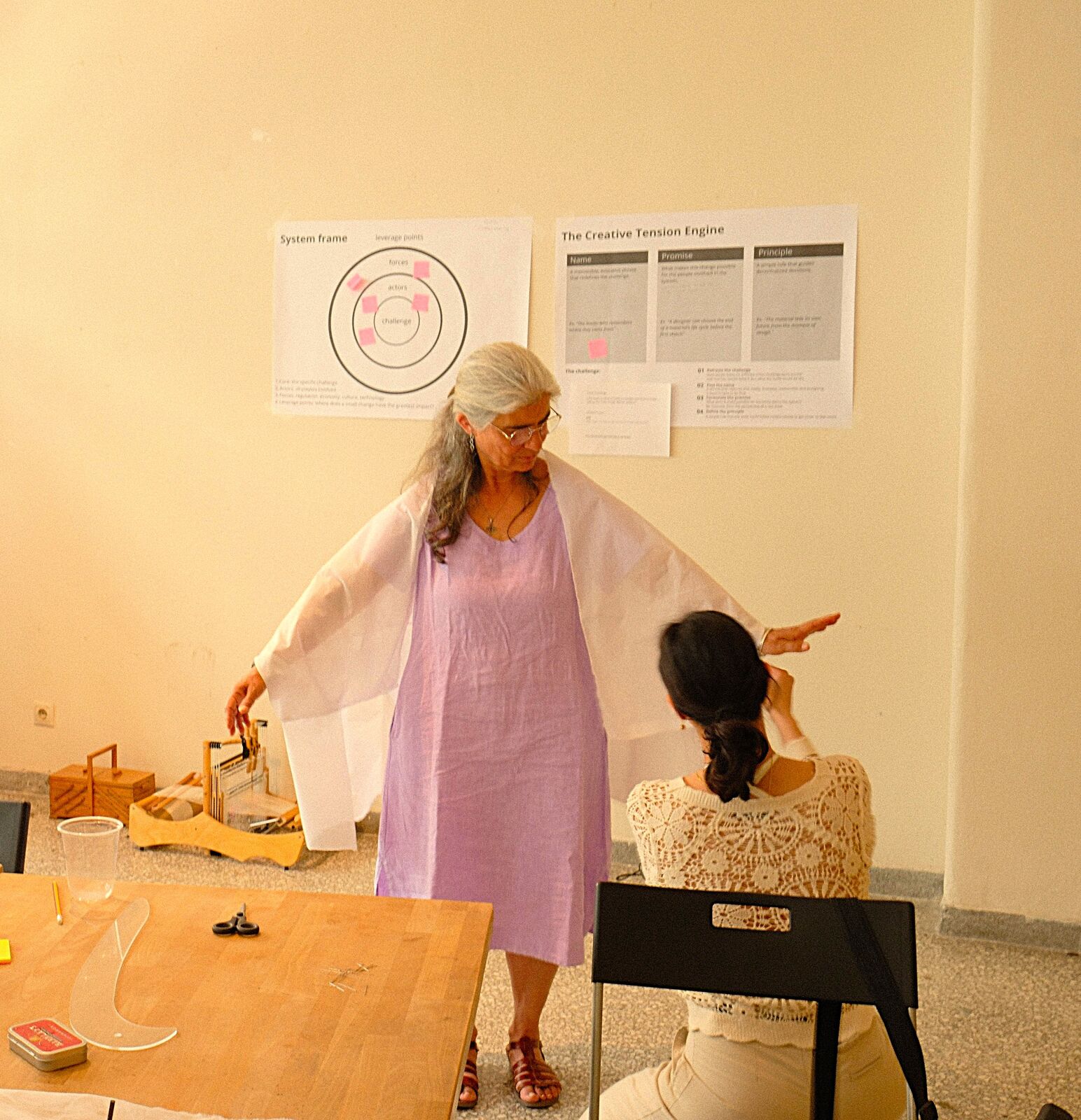
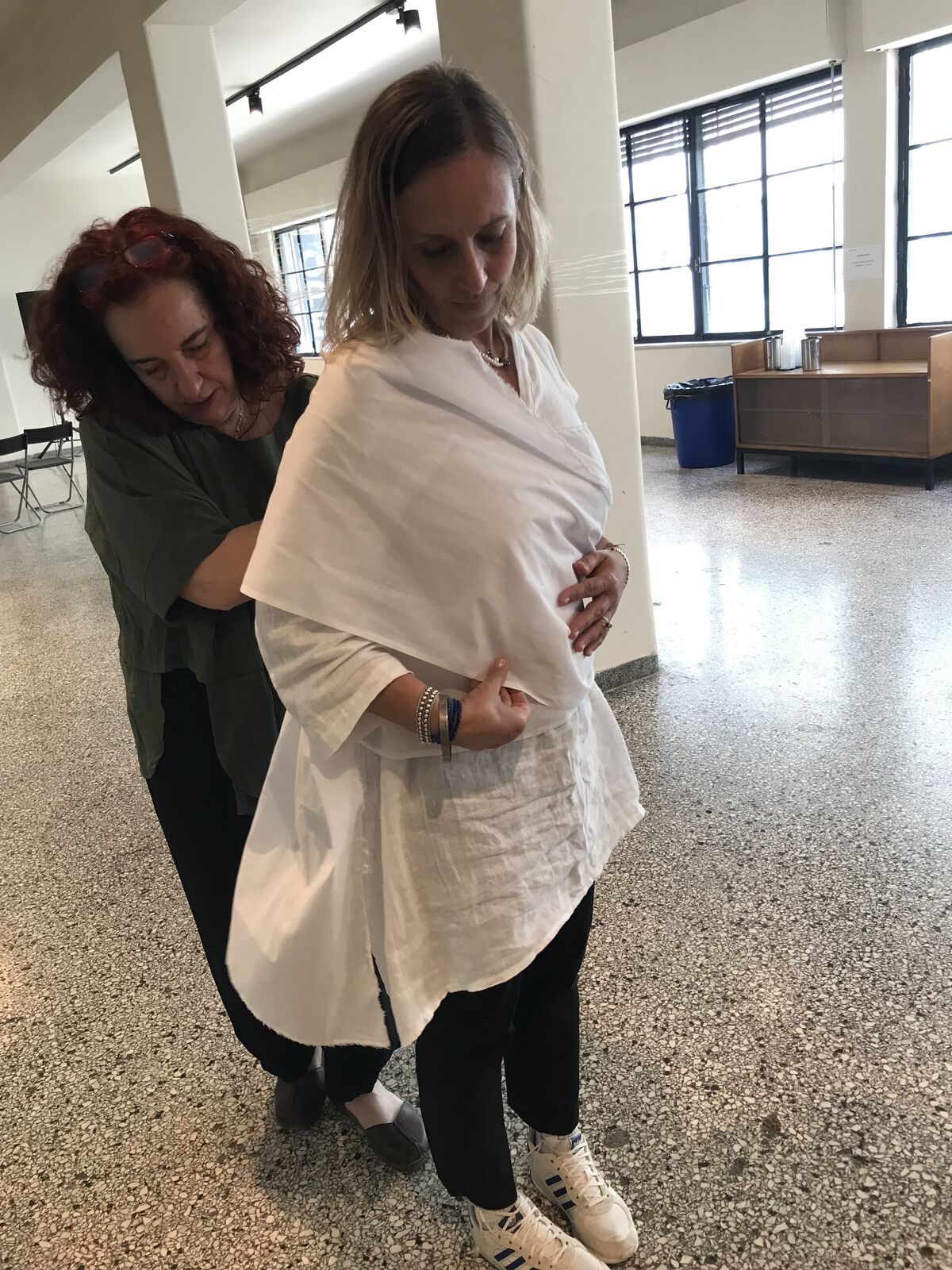
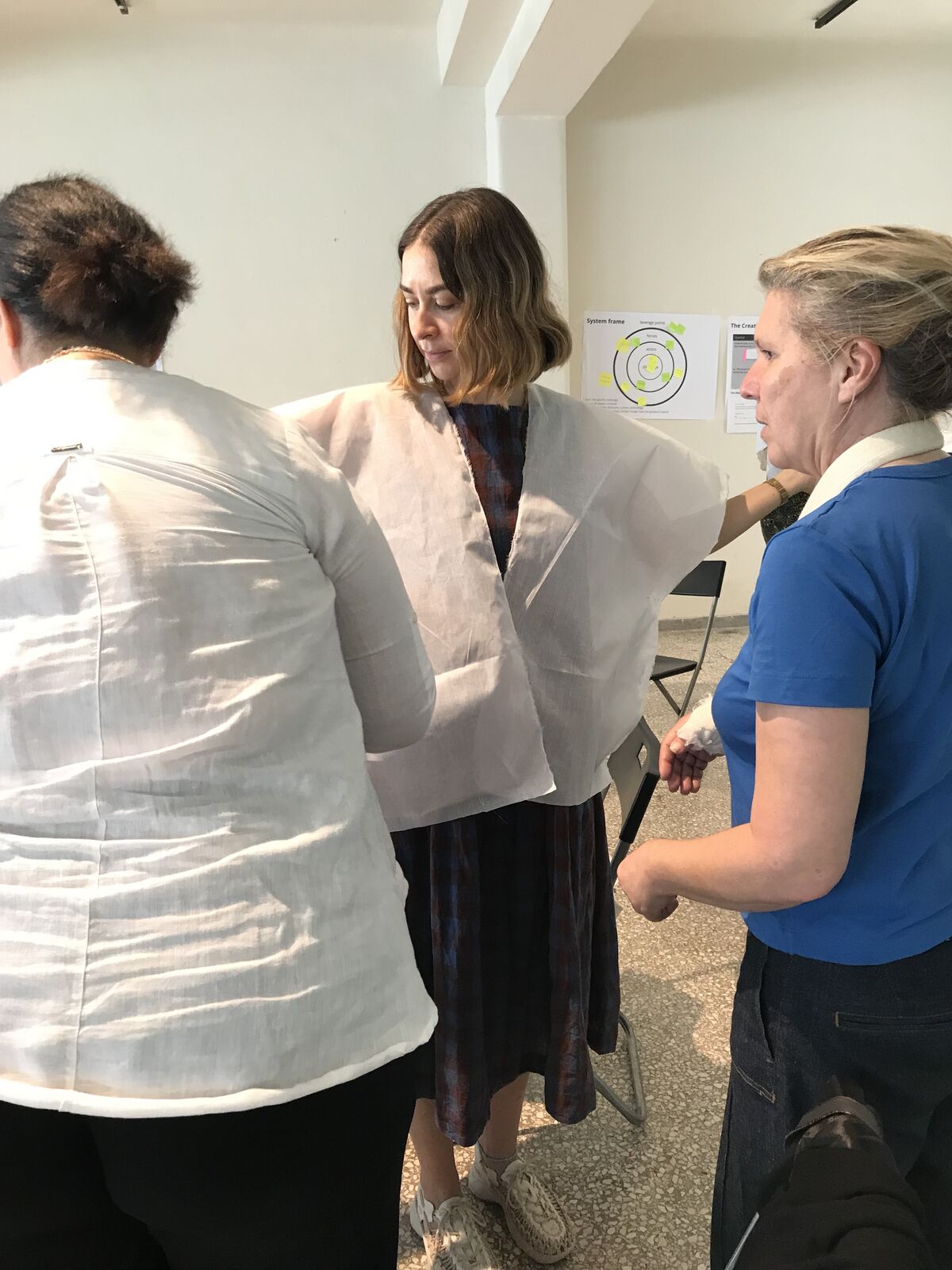
The team conceived “Wear Your Body” as a capsule collection of adaptable garments, using a design-for-longevity framework. They analysed the pain points of women's clothing around fit, life-stage transitions and trend cycles, looked at existing strategies for size-adjustable and modular garments (drawstrings, wrap closures, extra seam allowances, stretch fabrics) and at traditional textile systems that prioritise durability and extended use.
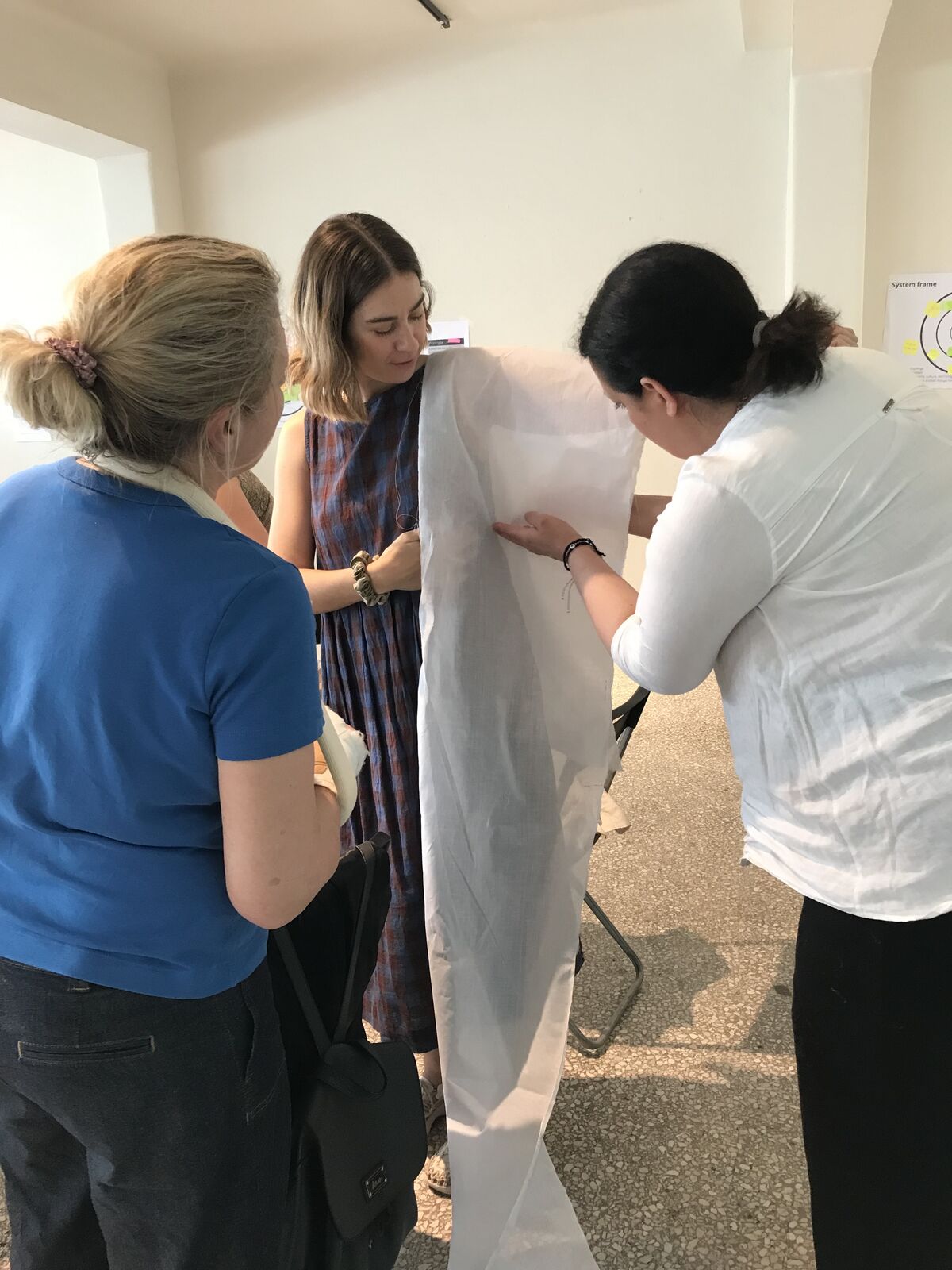
- Patterns with built-in adjustability: tie closures, expandable hems and modular components that can be reconfigured.
- Versatile silhouettes that move from pre-pregnancy to maternity and postpartum wear.
- Traditional techniques such as reversible construction, to strengthen longevity and emotional attachment.
- Biodegradable cotton, for a consistent fibre composition that favours durability and recyclability.
- Low-waste patternmaking, and the idea of partnering with local recyclers to sort clean offcuts and bring them back into new garments.
- A circular hierarchy of reuse, then repair, then recycle, then downcycle.
Learnings
- Adjustability drives longevity: garments with flexible sizing are more likely to stay in use through body changes.
- Maternity as a design catalyst: designing for pregnancy reveals universal needs for comfort and expansion.
- Traditional knowledge enhances circularity: heritage practices such as reversible garments foster emotional durability.
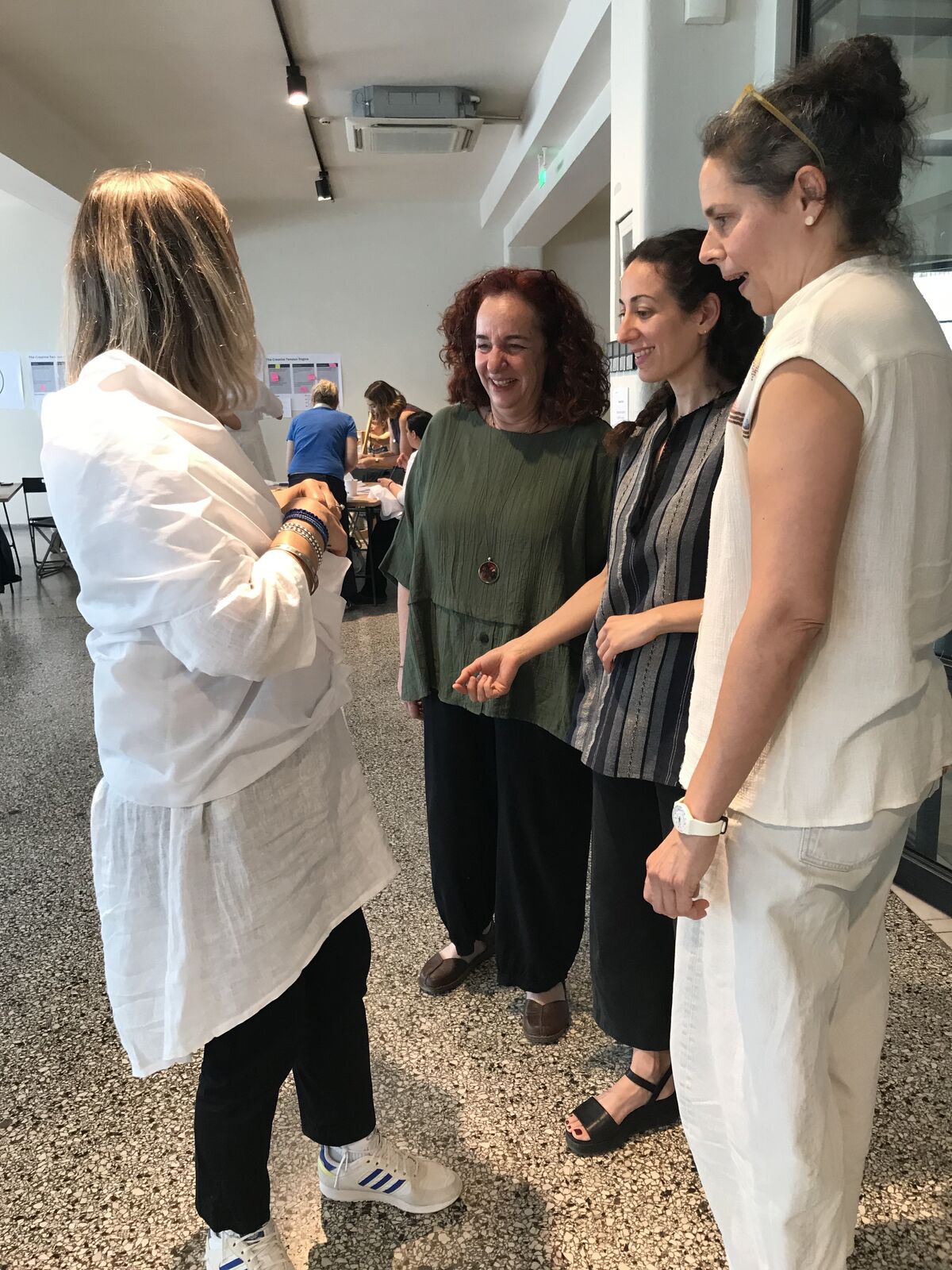
- User involvement is critical: early testing with real users uncovers practical issues such as how easy it is to tie a closure.
- Aesthetics matter: adjustability features must be integrated seamlessly, or users may reject functional but unattractive designs.
- Local partnerships enable waste recovery: working with regional manufacturers and recyclers could create transparent loops for post-industrial textile recovery.