
A Friend Gave It to Me
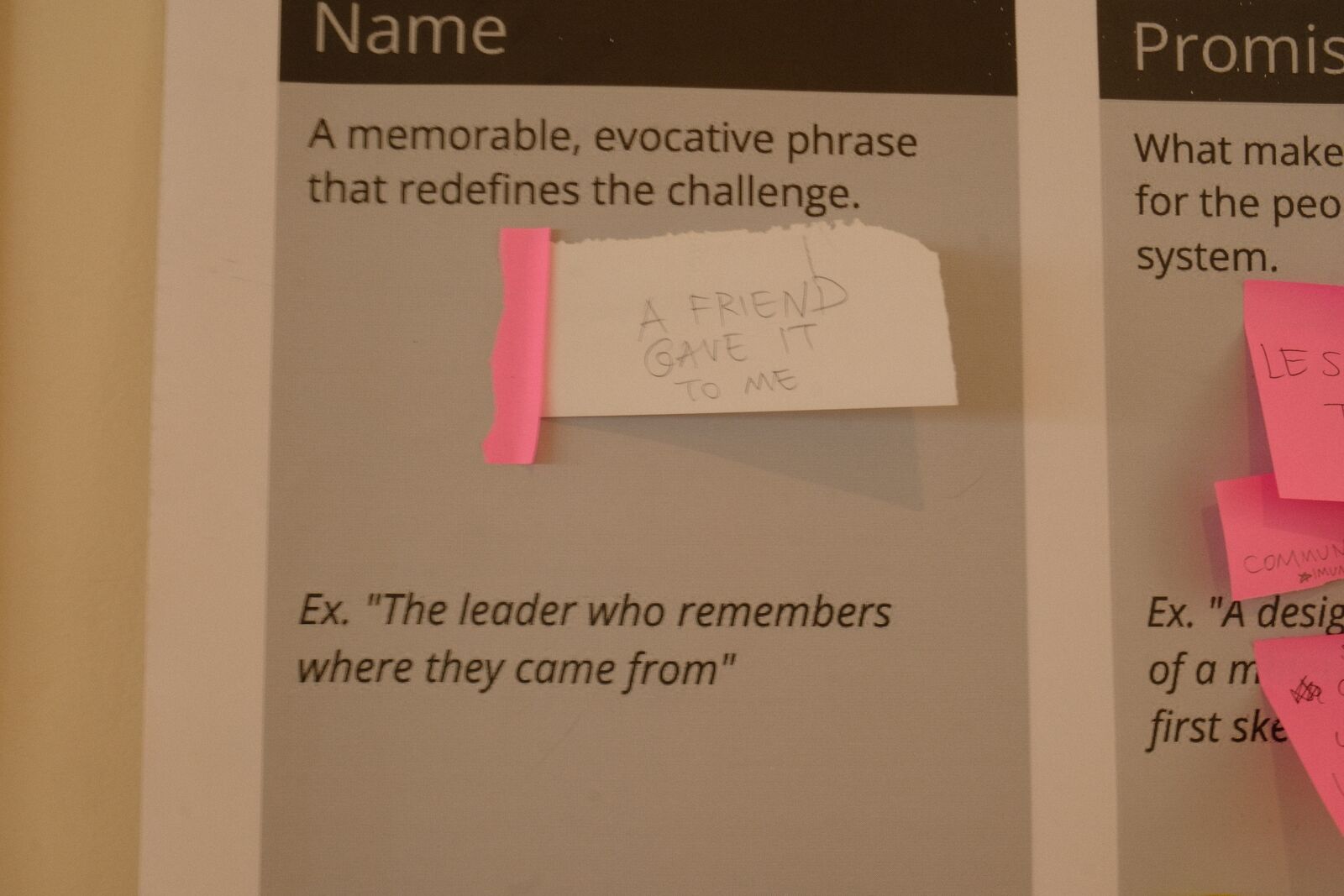
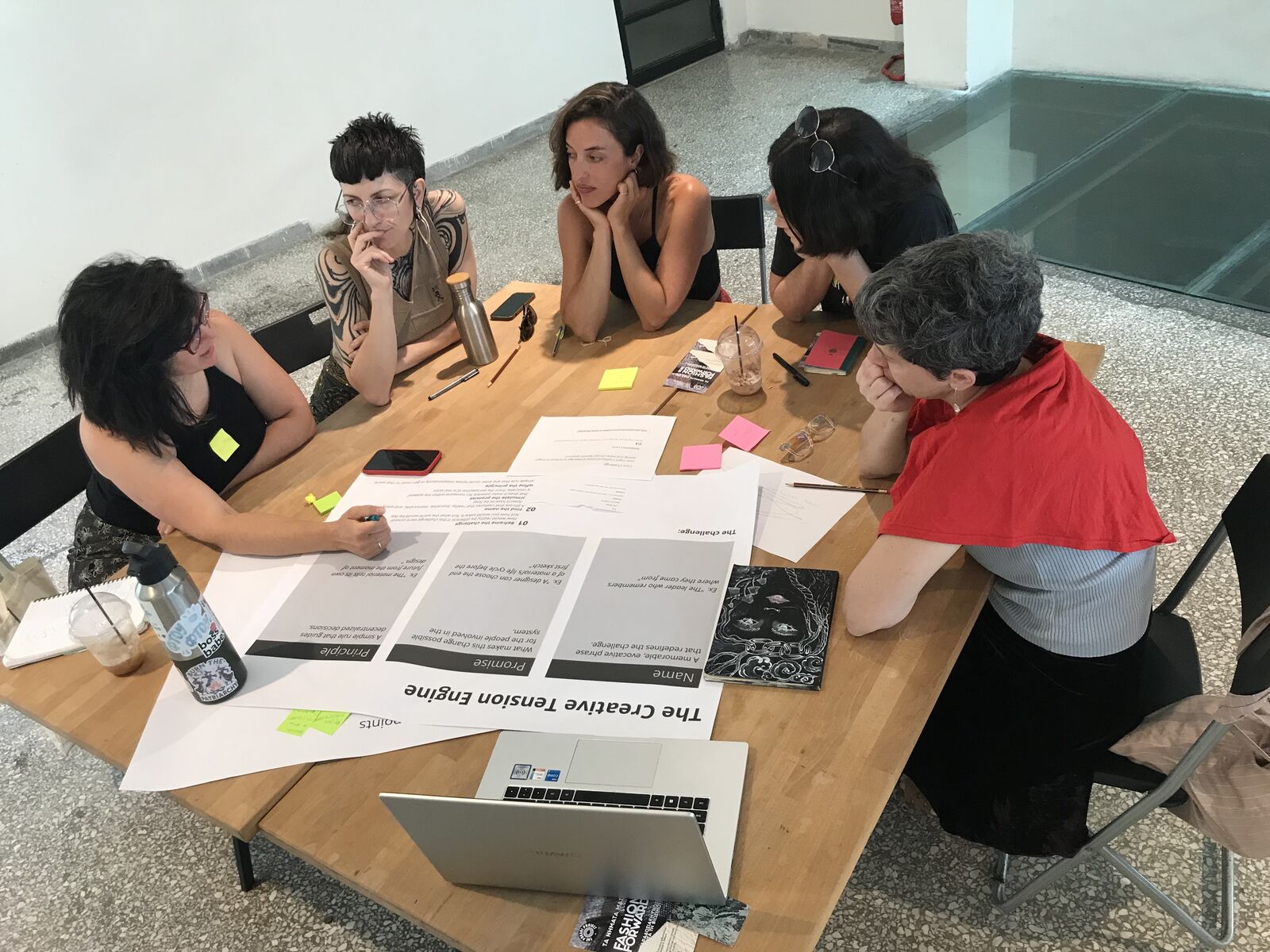
Team project from the Imagineering workshop in Athens (3 June 2026), developed with the IMASUS method.
The problem
How might we extend the useful life of children's clothing by making it easier to share, repair and adapt as children grow? Young parents face a rapid turnover of clothing: garments become too small, wear out through everyday use or are only suitable for one season, which leads to frequent purchasing and disposal even when clothes still have value. This project, developed through challenge C4 (how might we design for modular repair and adaptation?), imagines a community service that promotes clothing sharing and repair, and treats children's garments as shared resources that can move between families, be repaired collectively and be modified to fit new bodies, seasons and preferences.
Your process
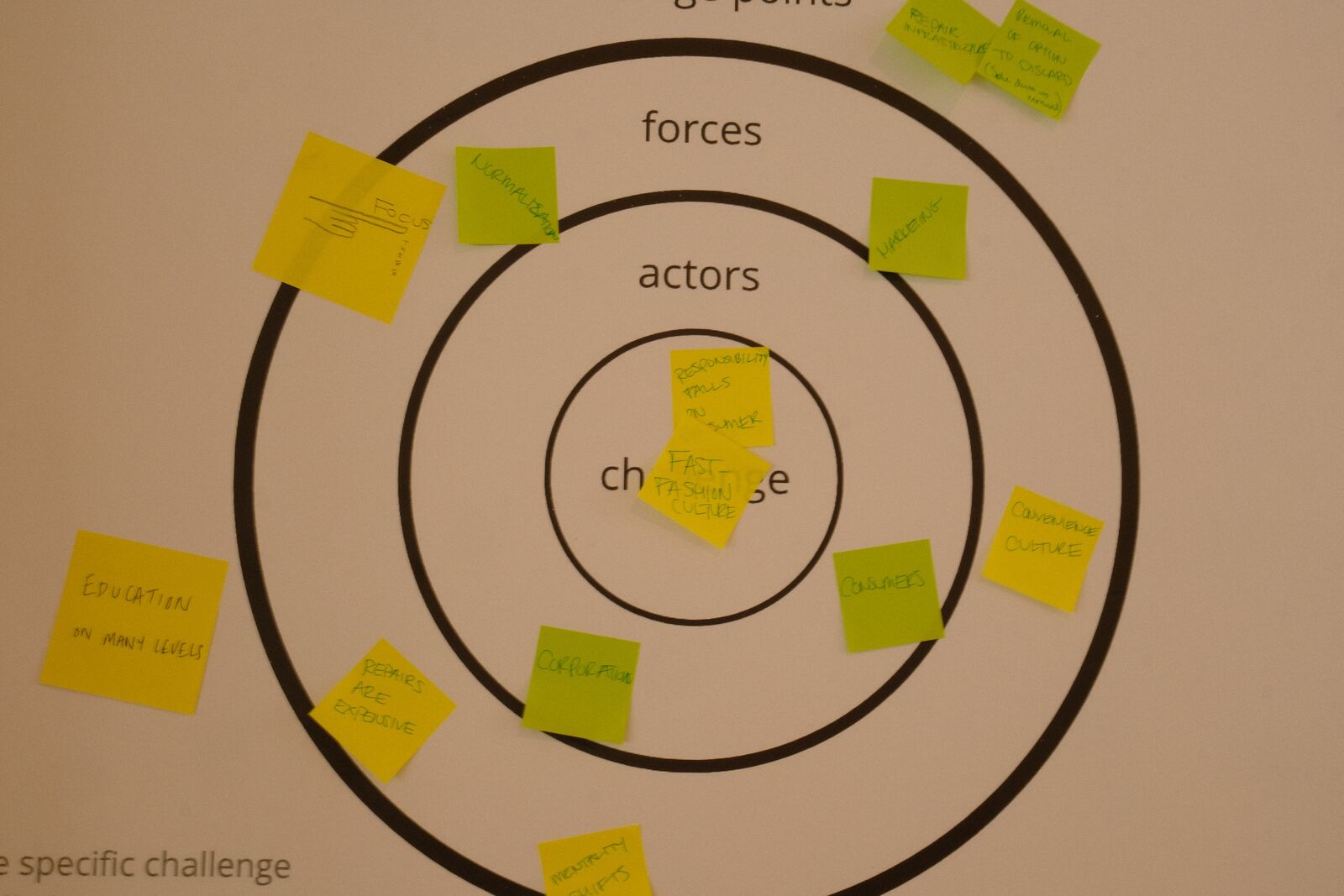
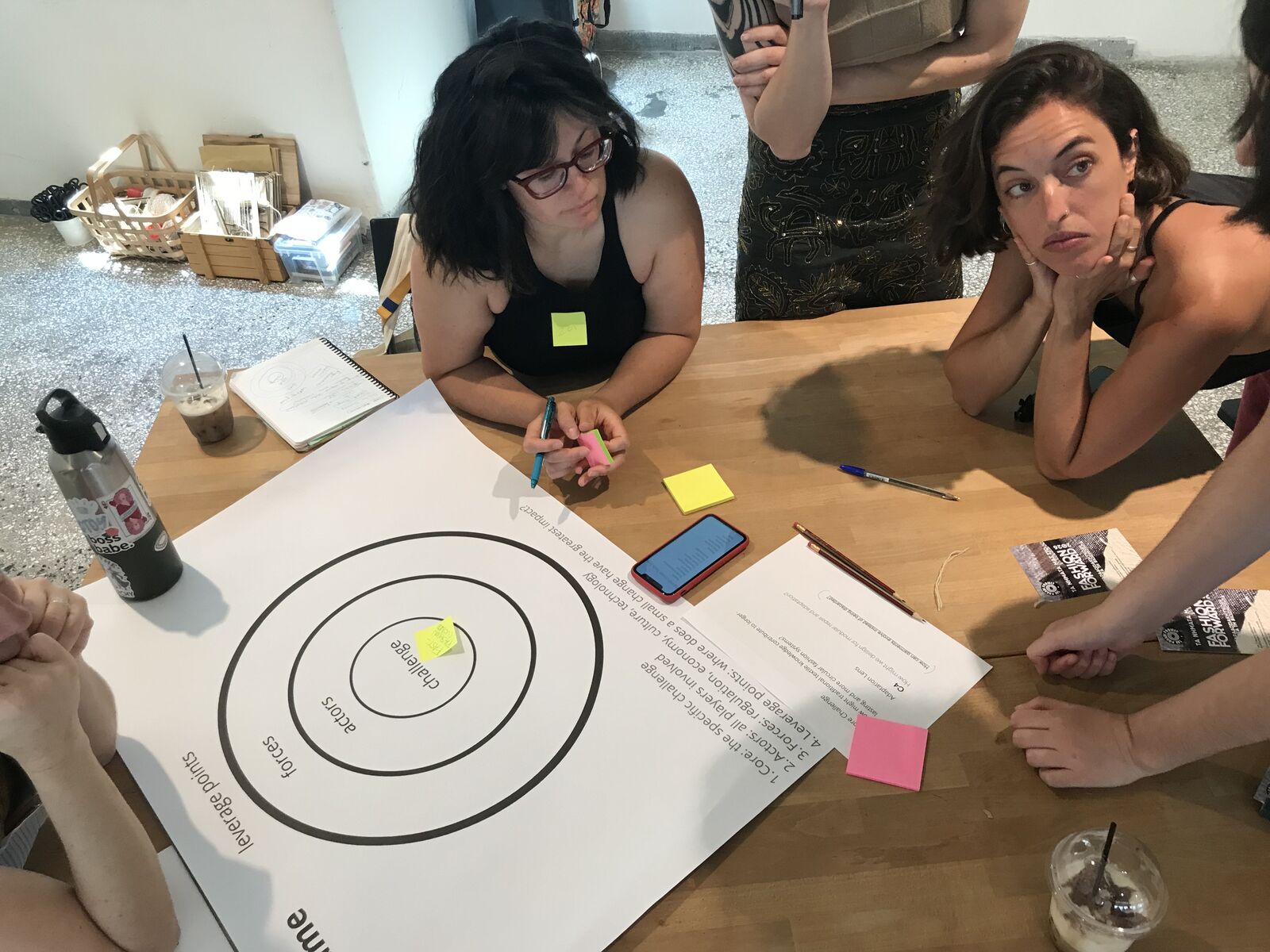
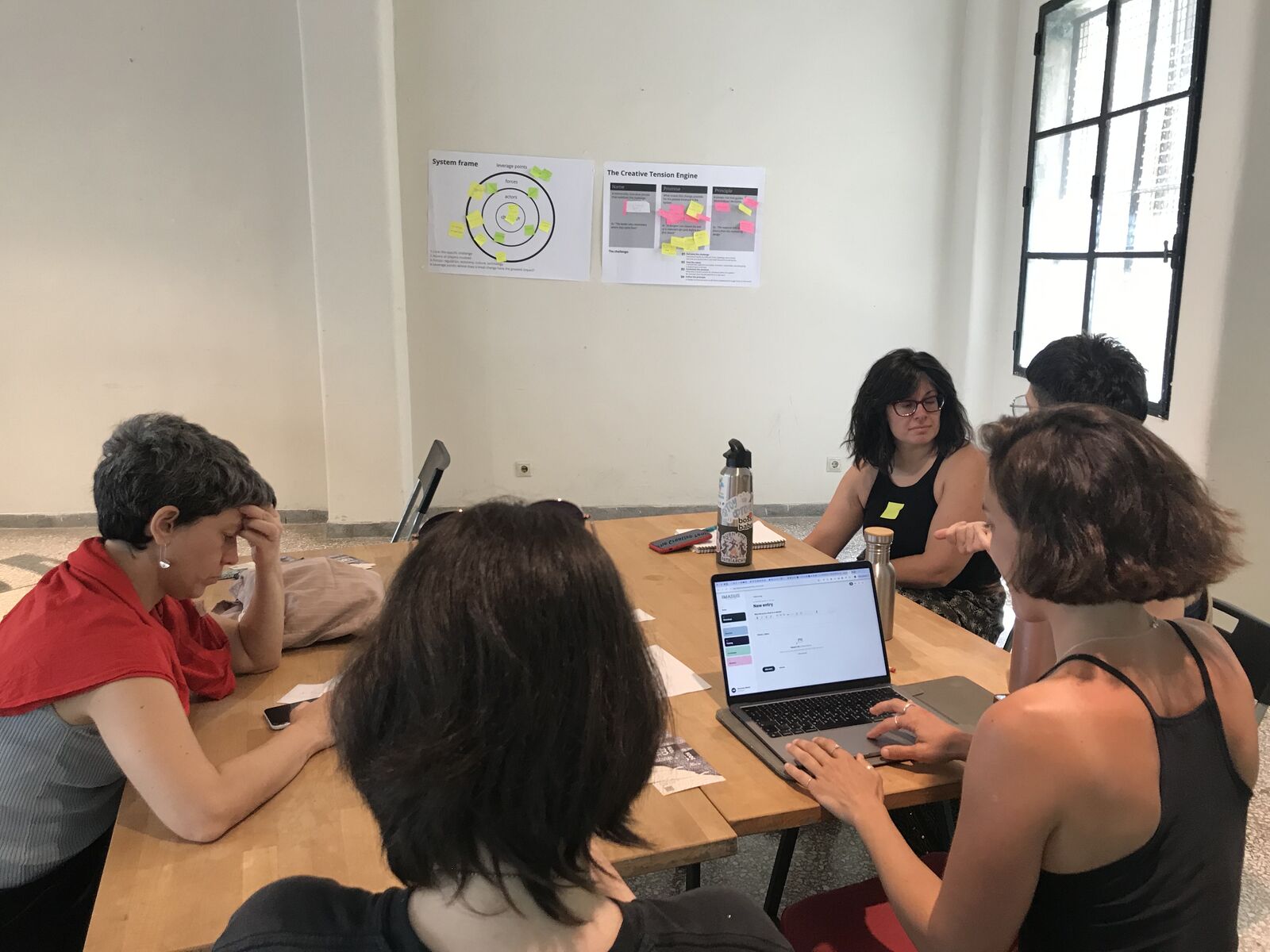
The team combined system thinking, emotional engagement and stakeholder mapping.
- System frame: small design decisions have a big impact on the lifespan and recyclability of a garment, for example using closures, fastenings and materials compatible with the garment itself. The service also moves the focus from ownership to circulation.
- Structural forces: awareness alone is often not enough, people need to imagine the benefits of repair and sharing in a personal way. The concept communicates through before-and-after examples, the journey of a garment between families, concrete environmental and economic value, and stories of care, gifting and family memories.
- Actors: parents and caregivers, children, designers and makers, local repairers and community workshops, service coordinators who run collection and redistribution, and the wider community. The team placed itself both as creator of the service and as a potential user.
Learnings
In a world where this challenge is solved, children's clothing is no longer designed for a single short period of use: a garment changes with the child, moves between seasons and circulates among families. That means less textile waste and pollution, less unnecessary consumption, more value from each garment, more affordable access to children's clothing and stronger communities built around exchanging objects and skills.
Service prototype
The service could be tested through a local clothing-sharing and repair network for young families, with:
- a simple catalogue of available garments, parts and repair options;
- drop-off and collection points in neighbourhoods, schools or community centres;
- a record of each garment's story, with previous owners, repairs and adaptations;
- repair workshops where parents learn basic mending and alteration;
- swap events where families exchange outgrown clothes and modular components;
- a digital platform, or an IMASUS-based interface, to find items, book repair sessions and share garment histories.
Extending clothing life is not only a technical design challenge: it depends on creating a desirable experience around reuse, care and exchange. A Friend Gave It to Me makes repair and second-hand circulation more visible, social and emotionally valuable.